
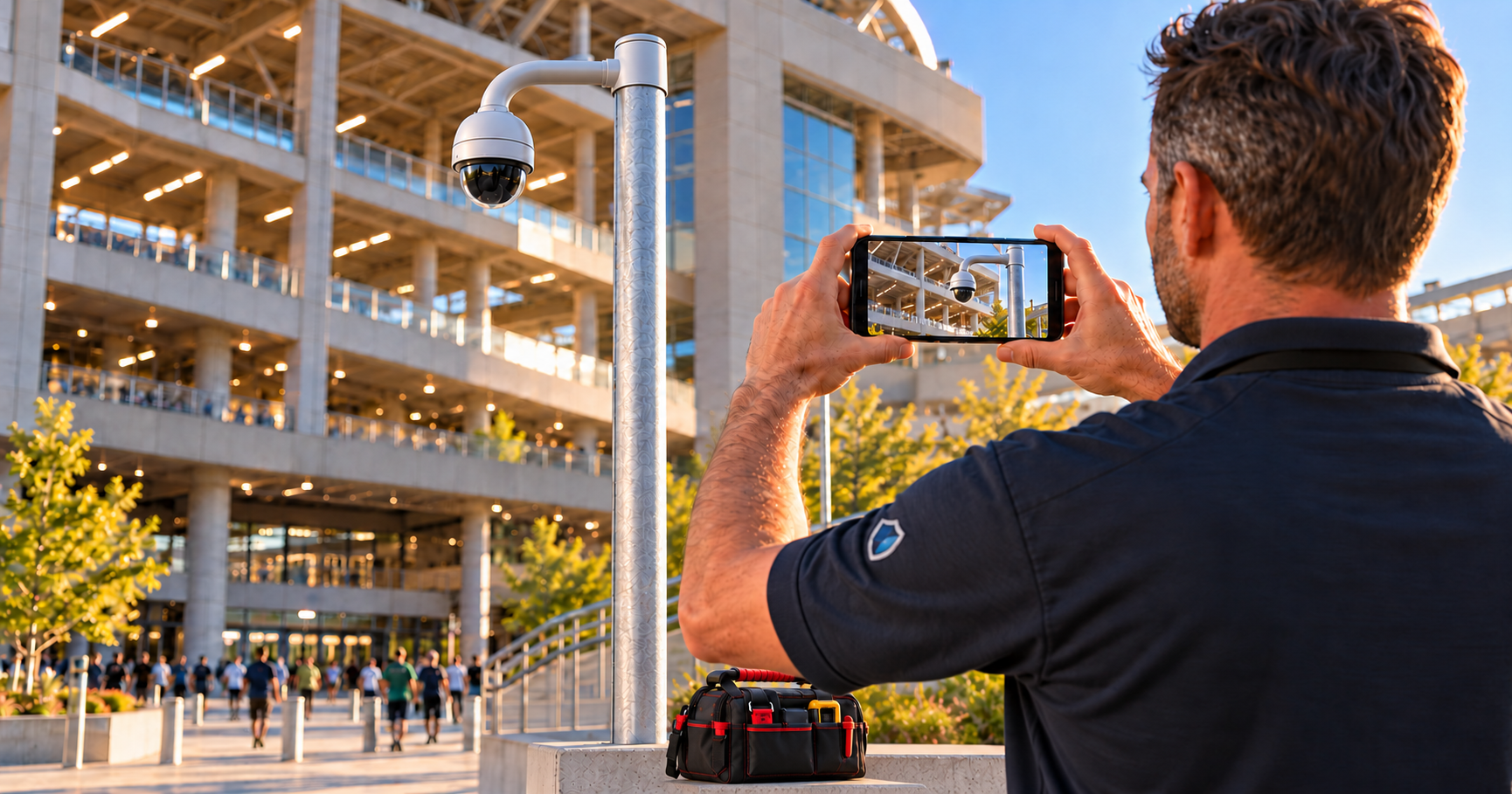
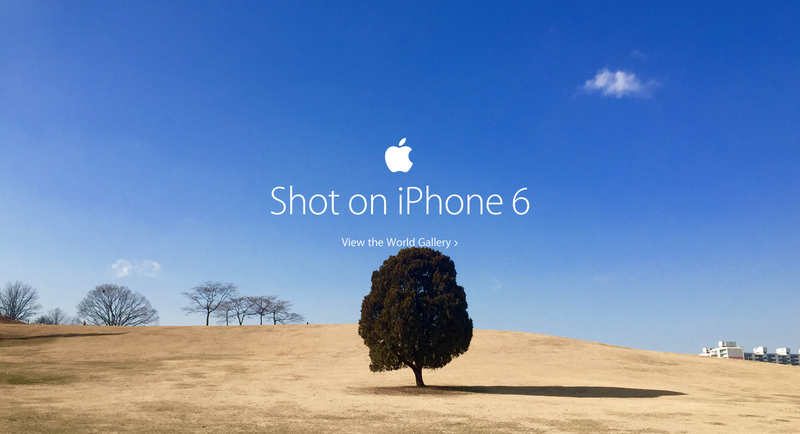
In 2015, Apple had a camera problem that was really a marketing problem. The iPhone 6 took great pictures, but so did every other phone, and every phone maker sold the same way: by megapixel counts, sensor specs, and side-by-side crops. Apple's answer was to stop describing the camera and start showing what people had already made with it.
The "Shot on iPhone" campaign began with 77 photographers from 24 countries, none of them professionals. Apple found their photos on Flickr and Instagram and, with permission, put them on billboards in more than 70 cities. Each billboard showed only the photo, the photographer's name, and three words. The campaign won the Grand Prix for Outdoor at Cannes Lions that year and has run every year since, across billboards, TV, an annual challenge, and feature films shot entirely on an iPhone.
The move behind it is simple: the customer became the proof, the billboard became the gallery, and everyone selected became a vocal ambassador. It also quietly set the benchmark for the entire category. Once you've seen a billboard-quality photo from a phone, every argument about megapixels sounds like noise.
Security manufacturers have the same raw material Apple found on Flickr. Here's how we'd put it to work.
01The install is the hero, not the box
Open LinkedIn on any weekday and you will find it: an integrator's rack shot with the cabling dressed just so, a camera mounted on a stadium rail, a reader on a hospital door, drone footage of a finished parking structure. Integrators post this work every day because they are proud of it, and most of it mentions the manufacturer by name. Manufacturers mostly scroll past it, or repost it with a "great work, team" and move on.
Apple never showed the phone in the ad, and the same logic applies here. Campaign creative built from real field installs, with the site and the installer as the subject, does something a product render cannot. It proves the product survives contact with a real ceiling, a real IT department, and a real budget. The camera is in the photo, but the story is the building and the person who put it there.
02The integrator is your photographer
The detail that made Shot on iPhone work was the name on the billboard. Apple credited an amateur by name in forty-foot letters, and the pride did the distribution work for free. Every photographer told everyone they knew, and the campaign got a second life as people showed each other the boards.
An integrator's name on a manufacturer's trade ad does the same thing. "Installed by Precision Systems, Houston" on a full page in a trade publication, on a booth wall at ISC East, or in a LinkedIn carousel gives that dealer a reason to send it to every customer and prospect they have. The manufacturer gets a credible ad, and the integrator gets the best piece of marketing it has ever had, paid for by someone else. Channel marketing and brand marketing stop being separate budgets and become the same one.
03Run it as a program, not a stunt
Apple did not run one gallery and declare victory. The campaign came back every year with a new theme, then a public challenge, then films. It became a standing invitation, and the library of proof grew with every cycle.
The security version is a quarterly submission window, a small number of winners, a prize that matters to a dealer, and a growing archive the sales team can pull from by vertical. The prize is the part most programs get wrong. Cash turns it into a dealer loyalty scheme. What an integrator values is looking like the smartest shop in its market, so pay in that currency: the ad placement with their name on it, first routing on inbound leads in their territory, early access to the roadmap, a seat at the dealer council, a speaking slot on your panel. Co-op dollars are fine as a sweetener, but status and pipeline are the payoff.
04Let the footage set the benchmark
For a camera brand especially, photos are the floor and footage is the ceiling. The strongest version of this idea is not a picture of a camera but the actual clip from it: a real loading dock at two in the morning with real low-light performance, a license plate pulled cleanly from a real parking entrance, an analytics alert firing on a real perimeter, each one tagged with the integrator who installed it.
That is the unanswerable form of "see for yourself." A competitor can match a spec sheet line for line in an afternoon, but it cannot produce a library of real sites it did not install. And once a specifier has seen your footage from a site that looks like theirs, every other datasheet in the folder has to argue against something they have already watched.
05Solve the permission problem once
Here is where the analogy stops being easy, and the post would be dishonest if it skipped it. Apple never had to ask a sunset for a release. Security sites do not want to be billboards. An end user that just hardened a hospital, a substation, or a distribution center is not going to approve a photo of its camera layout, and plenty of integrators treat site images as confidential by default, which is the right instinct.
The answer is to design for the constraint rather than wish it away. Credit the integrator and anonymize the site, since "a 400-bed hospital in the Southeast" is enough for the story. Lean on verticals that are already in public view: retail exteriors, campuses, stadiums, municipal buildings, parking. Use demo sites and test beds for footage when the real site cannot be shown. And build a one-page release into the submission form, so legal is handled at intake and never again. Every one of those steps is a hurdle, which is the point. A manufacturer that works out how to collect real install proof at scale has built an asset a competitor cannot copy by next quarter.
06Measure it as Apple would
Shot on iPhone has lasted a decade because Apple could show it moved the business, not because the billboards were pretty. The security version needs its own numbers from the start: submissions per quarter, integrator reposts and reach, branded search lift during a campaign flight, how often the proof library gets pulled into a proposal, and whether the demo-to-quote step gets shorter when the rep opens with real footage instead of a datasheet.
Those are the same leading indicators that tell you whether a brand is becoming the default choice before a bid starts, and they keep the budget alive after the first year.
The takeaway
Apple's insight was that the most persuasive thing it could put on a billboard wasn't a claim about the product, but evidence of what customers had already done with it. In an industry where every spec sheet now reads the same, that evidence is sitting in the camera roll of every integrator who installs your product, waiting for someone to ask for it and put their name on it.
So go ahead and ask. Build the program, solve the release once, reward participation with status instead of points, and let your installed base help spread the word. If you want help designing that program or turning the first round of submissions into a campaign, our services page shows how we approach brand and channel work for security manufacturers.